

A Student Success Story
 I have been an Executive PA for over 15 years now and I felt I needed a career change. I have always wanted to study law, but because of the cost involved and finding the time out of working hours to do so, it proved next to impossible. Then one day whilst paging through a magazine, I came across an advertisement on ILSPA's Legal Secretaries Diploma course. I went on to their website and was impressed with their professionalism and most importantly the various topics covered in the course. This combined with the convenience of distance learning and the affordable repayment terms made it very attractive. Without any hesitation, I signed up immediately and have not regretted it since.
 ‘Seek first to understand, then to be understood.’ This is just one of the habits of highly effective people taken from Stephen R Covey’s book. We primarily ask questions to get information, but questions are also a powerful communication tool to show that we are interested in the other person; that we care about what’s important to them; and that we are trying to understand their situation. So here are the top 10 types of questions and how to use them.
 Many people have a tendency to procrastinate. This could be because the task is complicated, you’re unfamiliar with it, there’s a prospect of conflict or you simply prefer to socialise rather than work! But motivating yourself to ‘do’ rather than ‘avoid’ some tasks will result in higher levels of achievement, satisfaction, and increased self-belief and self-esteem. So here are the top 10 tips to help you do that:
 As part of an ongoing series of articles focusing on Civil Litigation, this month we are considering the growing importance of mediation. There has been a lot of effort over the last few years to reform the civil justice system. One of the key reasons for this has been the high cost of bringing claims to court.
 Many of us are sometimes unaware of our body language, especially at times when we are under stress. Body language has a large part to play in situations where we want to feel confident and to come over as such to others. So, it can be helpful to spend a little time being curious about our own tendencies and what messages we may be giving out. Sometimes the messages can be quite the reverse of what we want to convey in a particular situation.
 Attending court as a Legal Secretary must easily rank as one of the most rewarding and exciting aspects of the career. This is where the Legal Secretary will really start to feel that they are an integral part of the legal system, as a whole, and will gain a full appreciation of how the court system works and the wheels of justice turn within our country
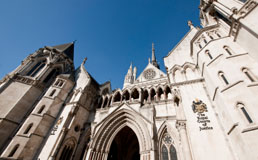 There are very few jobs that are as interesting and varied as working in criminal law. Whether this is by way of working as a Legal Secretary who specialises in this area of law or as a defending Solicitor or through The Crown Prosecution Service, there are many avenues allowing one to follow criminal law as a career path. If you have never studied law before or have but wish to pursue this branch of the legal system more intently, this article may well be for you.
 View Expanded “Send To” Menu
 In this article we are considering the Supreme Court formed just over a year ago. Having studied on the Diploma course, you will have already identified yourself to prospective employers as someone with a serious interest in the law. Being aware of current developments in the law and legal practice marks you as someone who has a continuing interest in developing his or her knowledge.
 Ever since the United Kingdom ratified the European Convention on Human Rights (ECHR), as far back as 1950, for the most part it has seemed that this international law has been working very well for us. Indeed, the Human Rights Act 1998 was seen as an overdue, final acceptance of the laws contained within the convention. The previous Labour Government were determined to leave some kind of legacy for their period of administration, and this Act of Parliament is probably the most remembered.